2026
The seventh math camp
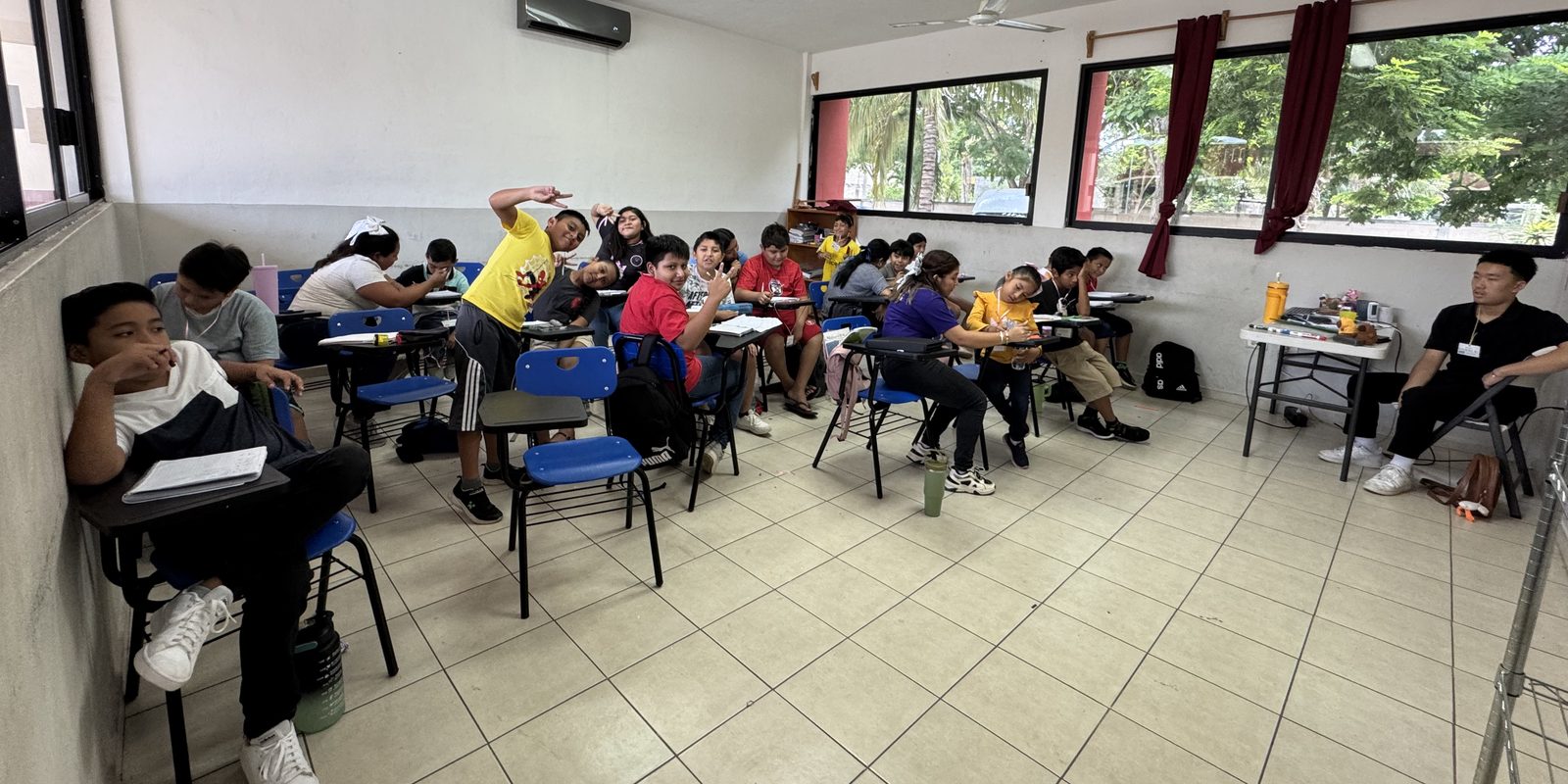
The seventh free math camp since the first one in 2018.
Our work
Everything below was planned and paid for by students. The list runs newest first.
The seventh free math camp since the first one in 2018.
The first year the camp went past math. Eight subjects in all: math, music, art, piano, violin, drums, traditional Indian dance — and Squid Game.
Members of BTST traveled to Yucatán to tutor and teach at the sponsored math camp.
A February fundraiser: fifteen kinds of baked goods, six hours on the street, $916.35 raised to fund the schools and the math camp.
A July fundraiser in Northern Virginia raised over $1,300 to fund school renovations in Guatemala and intensive math camps in Yucatán. BTST has covered the school’s internet bill ever since.
Laura, head of the Communications Department, documented her experience tutoring at the intensive math camp.
A bake sale in Great Falls, Virginia raised more than $1,200. The proceeds bought a projector, books, and data for a newly built school in rural Guatemala.
BTST sponsored a math camp for students aged 5 to 25, built around higher and deeper-level thinking.
Jae Jin Grace Suh and her students founded BTST so that the camps would have something behind them — and so that students would run it themselves.
The pandemic closed the camps, so the work changed shape. Money raised from selling home-baked cookies and cakes went into a school in Guatemala: a projector, Bibles, carpet laid over the classroom’s dirt floor, glass windows, and doors.
The camp came back for a second summer — the last one before the pandemic.
Four teachers went: Jae Jin Grace Suh and three students she brought from the United States. The local school’s math and Spanish teachers taught alongside them, and volunteers from both countries interpreted between English and Spanish. This was three years before BTST had a name, and it is the reason the organization exists.
Mornings are math — small groups, worked problems, students teaching students. Afternoons open up, because a camp that is only arithmetic is a camp nobody comes back to. In 2025 that meant music, art, piano, violin, drums, traditional Indian dance, and a very competitive round of Squid Game.
The age range is wide on purpose. A five-year-old and a twenty-five-year-old can sit in the same room when the material is pitched to the person rather than the grade.